Paying for All-on-6 on a pension: planning the money
Most people having All-on-6 are over 50, and many are retired. On a fixed income, the question is not just what it costs but how to pay for it without strain.
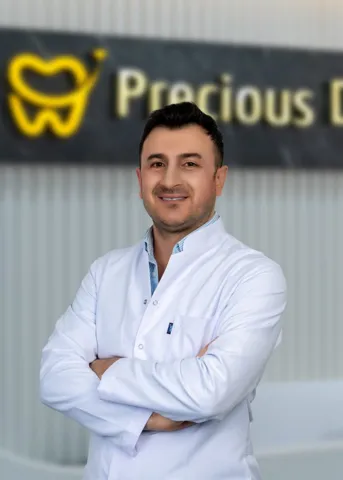 Medically reviewed by Dt. Hüseyin Yavuz Özbek, implant surgeon · Updated October 2026
On a pension, start with the true total, including travel and a reserve, not the headline price. All-on-6 abroad is usually paid in stages over two trips about four months apart, which spreads the cost. Saving ahead is cheapest; borrowing adds interest. For decisions about pension withdrawals or loans, speak to an independent adviser or a free service first.
People on a pension often make the most careful decisions about big purchases, because there is no pay rise round the corner to absorb a mistake. All-on-6 is a large outlay, but it is also predictable if you plan it well: two trips, a known price, a known timetable. This article is about turning that into a plan your income can carry comfortably. It is general information, not financial advice.
Key points
- Plan around the true total, not the headline price: treatment, travel, extras, reserve and aftercare.
- Two trips about four months apart give a natural way to spread payments.
- Paying from savings or saving ahead avoids interest; borrowing adds to the total.
- Pension withdrawals have tax and income consequences, so take independent advice first.
- If you receive Pension Credit Guarantee Credit, NHS dental care in England is free.
Step 1: know the real total
The figure to plan around is not the clinic price but everything you will spend. For treatment abroad, that means:
- The treatment price, for the jaws you need, with what it includes in writing.
- Any extras the scan might add, such as a sinus lift or bone graft, at the clinic's published prices.
- Flights for two trips, for you and anyone travelling with you.
- Getting to and from the airport, travel insurance, meals.
- A reserve for an extra night, a changed flight or a spare trip.
- The first year of check-ups at home.
The calculator adds these up, and the budget template gives you a list to fill in. For an example: at Precious Dental, All-on-6 for both jaws is £6,500 including the hotel on both trips, transfers and extractions. With modest flights, insurance, meals, a reserve and a year of check-ups, a total of around £7,500 is a reasonable illustration. Your figure will depend on your airport, your companion and your extras.
Step 2: map the money to the timetable
All-on-6 abroad happens in two stages. The implants are placed on the first trip, then the Oral Health Foundation says healing usually takes around four months before the final teeth are fitted on the second. That timetable gives you a natural way to spread the cost.
| When | What you might pay |
|---|---|
| On booking | A deposit, if the clinic asks for one; first flights |
| First trip | The first-stage payment; travel costs |
| Between trips (about 4 months) | Second flights; soft food; perhaps a UK check-up |
| Second trip | The balance; travel costs |
| After | Check-ups and hygiene visits |
Every clinic sets its own payment terms, so ask for them in writing. A schedule tied to the work done on each trip means you never pay far ahead of your treatment. See paying across two trips.
Step 3: decide where the money comes from
Broadly, people pay from savings, from income saved over a period, from family help, or by borrowing. Each has trade-offs.
Savings
Paying from savings costs nothing in interest. The question is how much of your savings it uses, and whether what is left still covers emergencies. Many people keep a separate emergency fund untouched and use other savings for the treatment.
Saving ahead
If you have time, saving a fixed amount each month for a year or two before treatment avoids borrowing altogether. Because the price of All-on-6 at many clinics is published, you can set a clear target. Ask the clinic whether its price is likely to change, and plan to re-check before booking.
Family help
Many people are helped by their children or other relatives. It works best when everyone agrees in advance who pays what and how. Our article on helping a parent pay covers the practical side, including card protection.
Borrowing
A credit card, a loan or a finance plan spreads the cost but adds interest unless it is interest-free. Read the total amount repayable, not just the monthly payment. Paying the clinic directly by credit card may also bring Section 75 protection, as explained in Section 75 and All-on-6, but that is a reason to choose the card carefully, not a reason to borrow.
Pension withdrawals
Taking money out of a pension pot can have tax consequences and affects your future income. This is exactly the kind of decision to talk through with an independent financial adviser or a free guidance service before acting. We are a dental clinic and cannot advise on it.
Step 4: keep a reserve
On a fixed income, the unexpected matters more. An extra night because a flight was cancelled, a changed ticket, a taxi, an extra trip if the bridge needs adjusting: none of these is likely, but one of them might happen. The NHS treatment abroad checklist suggests factoring in the possibility of extending your stay and of return trips. Setting aside a reserve before you go means these become inconveniences rather than worries. A contingency budget suggests how much.
Step 5: plan the years after
After treatment, your new teeth need check-ups and cleaning for life. Those costs are small compared with the treatment, but they are regular, so put them into your monthly budget from the start. If you receive Pension Credit Guarantee Credit, NHS dental treatment in England is free, and the NHS Low Income Scheme may help with charges if your income is low. See help with NHS costs after All-on-6 and UK check-up costs.
Years later, the teeth on top of the implants may need replacing. It helps to put a small amount aside each year for that; see budgeting for a replacement bridge.
Things to avoid
- Pressure to pay everything at once. The NHS lists a hard sell and pressure to decide quickly as warning signs.
- "Today only" discounts. A fair price does not expire overnight.
- Paying into a personal account. Pay the clinic, in its own name.
- Borrowing without reading the total repayable.
- Spending your emergency fund on treatment.
Comparing with a UK fee
For some retired people, the right answer is treatment closer to home, especially if travel is difficult or a trusted UK dentist offers a payment plan. The Oral Health Foundation notes that treatment at home can be more affordable than it first appears where payment plans exist or follow-up care is included. Compare the true totals, not just the clinic prices, and weigh the value of having your dentist nearby. UK finance vs paying abroad shows how to compare.
A note on timing
If you are close to retiring, timing can matter. Some people prefer to have treatment while still earning, so the cost comes out of income rather than savings; others wait until they have more time for the two trips. Neither is wrong. Plan the trips around the times you can travel comfortably, and the payments around when the money is available, and the two usually line up.
Whatever you decide, write the plan down: the total, where each part of the money comes from, and when each payment falls. A one-page plan is easier to stick to, and to share with anyone helping you, than a set of figures in your head.
The bottom line
All-on-6 on a pension is a planning job: find the real total, map payments to the two trips, choose the cheapest source of money that leaves your emergency fund intact, keep a reserve, and budget for the years after. Get every price in writing. And for anything involving your pension or borrowing, take independent advice before you commit.
Common questions
How much should I budget for All-on-6 abroad?
The clinic price plus flights for two trips, insurance, meals and a reserve for the unexpected. At Precious Dental the treatment is £6,500 for both jaws including the hotel and transfers; travel and reserve are on top.
Can I pay in instalments?
Treatment abroad is usually paid in stages tied to the two trips, which spreads the cost over several months. Ask the clinic for its payment schedule in writing.
Should I take money from my pension to pay?
That is a personal financial decision with tax and income consequences. Speak to an independent financial adviser or a free guidance service before withdrawing money from a pension.
Can I get help with the costs of check-ups afterwards?
Possibly. In England, people receiving Pension Credit Guarantee Credit can get free NHS dental treatment, and the NHS Low Income Scheme can help others. See our article on help with NHS costs.
Sources
- NHS — Who can get free NHS dental treatment or help with dental costs
- Citizens Advice — Getting your money back if you paid by card or PayPal
- NHS — Treatment abroad checklist
- Oral Health Foundation — Dental implants
Checked October 2026. Where we give our own view as a clinic, we say so.
Got a quote you're not sure about?
Send it to us. We'll tell you, in plain English, what it includes and what it leaves out, even if you don't choose us.