A contingency budget for All-on-6
Most All-on-6 trips go to plan. A small reserve makes sure the ones that do not are an inconvenience rather than a crisis.
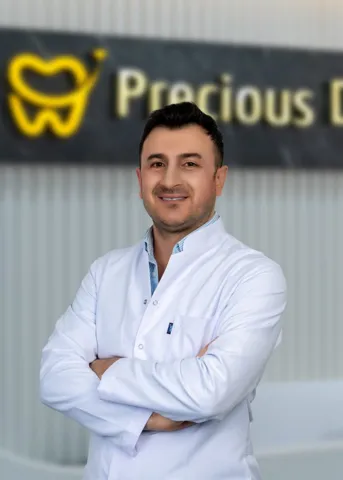 Medically reviewed by Dt. Hüseyin Yavuz Özbek, implant surgeon · Updated October 2026
A sensible contingency for All-on-6 abroad covers one extra return trip, two or three extra hotel nights, the cost of changing a flight, and the price of any extra procedure the clinic has said might be needed. The NHS suggests factoring in an extended stay and possible return trips. Keep it separate, and if you never need it, it stays yours.
Budgets for All-on-6 abroad are usually built from a best case: the scan shows nothing unexpected, the flights run on time, the bridge fits first time. Most trips do go that way. But the NHS treatment abroad checklist specifically suggests factoring in the possibility of extending your stay and making return trips, and the Oral Health Foundation asks who pays for extra travel and accommodation if something goes wrong. A contingency budget is how you plan for the rest.
Key points
- The NHS suggests allowing for an extended stay and possible return trips.
- A reserve typically covers a spare return trip, a few extra nights and a flight change.
- Include the price of any extra the clinic has said might be needed.
- The more that is fixed in writing, the smaller the reserve needs to be.
- Include the reserve when comparing a quote from abroad with a UK quote.
What a contingency is for
| Situation | How likely | What it costs |
|---|---|---|
| An extra night or two | Occasional: a late flight, an extra check before flying | Hotel nights at the hotel's rate, meals |
| Changing a flight | Occasional | Change fee plus any fare difference |
| An extra trip | Uncommon: a bridge adjustment or repair | Flights, perhaps hotel |
| An extra procedure | Depends on your scan | The clinic's published price |
| Small costs at home | Common: soft food, painkillers, a UK appointment | Small amounts |
Working out your own figure
- One spare return trip: the fare you found for your second trip, for each person who would travel.
- Two or three extra nights: at your hotel's rate, or a nearby hotel's if the package hotel is included.
- One flight change: your airline's change fee, or the difference to a flexible ticket.
- Any extras the clinic mentioned: if it said a sinus lift "might" be needed, include its price.
- A small amount for home: soft food in the early weeks and pharmacy items.
Add those up. That is your contingency. For many people it comes to a few hundred pounds up to around a thousand, but it depends on your fares, your hotel and your scan.
An example
| Item | Example |
|---|---|
| Spare return trip, one person | £200 |
| Two extra nights and meals | £160 |
| Flight change | £75 |
| Possible sinus lift (clinic price) | £350 |
| Home extras | £50 |
| Contingency | £835 |
Illustrative figures. The sinus lift uses Precious Dental's published price of £350 per procedure; use your clinic's.
Reducing what you need to keep aside
- Get extras priced in writing. Then the "unknown" part becomes a known maximum.
- Choose a clinic whose package covers both trips' hotels. Precious Dental's All-on-6 package includes 4 nights on the first trip and 5 on the second.
- Ask who pays for guarantee repairs. If the clinic covers travel for a repair under guarantee, your spare-trip reserve can be smaller.
- Book flexible flights for the return leg of each trip.
- Send a scan in advance if you have one, to narrow the chance of surprises.
- Leave a spare day at the end of each trip rather than flying home the evening of your last appointment.
Where to keep it
Keep the contingency separate from the money set aside for treatment and travel, ideally somewhere you can reach quickly from abroad, such as an account linked to a card you are taking with you. If you are using a credit card for the treatment, check you will have enough limit left for an unexpected bill. Do not use money from your general emergency fund unless you would be comfortable doing so.
Travel insurance and the contingency
Travel insurance covers some unexpected events, such as cancelled flights or illness unrelated to the treatment, depending on the policy. Many policies exclude planned treatment and its complications. GOV.UK advises reading the small print and the exclusions. Insurance reduces the risk of a large unexpected bill; the contingency covers the smaller, more likely ones that insurance often does not.
Including it in comparisons
When you compare a quote from abroad with a UK quote, include the contingency on the overseas side. It is a real possible cost of being treated far from home. Even with it included, most people find a large difference; but including it keeps the comparison honest. The calculator has a box for a spare trip, and you can add the rest under other travel costs.
If you never need it
Most people do not use all of their reserve, and many use none. If yours is still there after your final teeth are fitted, it makes a good start on the fund for check-ups and, eventually, a replacement set of teeth. See budgeting for a replacement bridge.
What happens to the reserve in practice
It helps to picture the situations a reserve covers, so the amount feels real rather than arbitrary.
A flight is cancelled
Your return flight from the first trip is cancelled and the next one is two days later. You need two more hotel nights and meals, and perhaps a taxi. The airline may owe you assistance or compensation depending on the circumstances, but you pay first. A reserve of a few hundred pounds covers it without stress.
The dentist wants one more check
On the last day of the second trip, the dentist wants to see the final bridge again after a night of wear. You change your flight by a day. The cost is a change fee and a night's hotel.
The bridge needs an adjustment at home
A few weeks after your final teeth are fitted, the bite feels slightly high on one side. Your UK dentist can adjust it, or the clinic suggests a short visit. The reserve covers whichever is needed. Ask in advance who pays for travel if an adjustment is needed under guarantee.
The scan shows a sinus lift
You had included its price in the reserve because the clinic said it might be needed. It goes ahead on the first trip at the published price, and the rest of the reserve is untouched.
How much is too much?
A reserve should cover likely problems, not every imaginable one. If your contingency grows to thousands of pounds, it is usually a sign that something else needs fixing: extras that have not been priced, a package that leaves out the second hotel stay, or a clinic that has not explained the plan clearly. Ask the clinic to firm up the uncertain parts, and the reserve shrinks.
Contingency at our top pick
Because Precious Dental's £6,500 package includes both hotel stays, transfers, extractions and temporary teeth, and publishes the prices of the extras a scan can add, the uncertain part of the budget is mostly travel. For many patients that means a reserve of a spare trip and a couple of nights is enough. Whichever clinic you choose, the more that is fixed in writing, the less you need to keep aside.
A quick rule of thumb
If you want a starting figure before you have every price, take your return fare for one trip, add three nights at your hotel's rate, and add the price of any extra the clinic has mentioned. Then refine it once you have the real numbers.
The bottom line
Work out a reserve from your own fares, hotel rate and the clinic's extras, keep it separate and accessible, and include it in any comparison with UK treatment. It costs nothing if you do not use it and saves a great deal of worry if you do. The budget template has a line for it.
Common questions
How much should my reserve be?
Work it out from your own costs: one spare return fare per traveller, a few nights at your hotel's rate, a flight-change fee, and any extras the clinic has priced. For many people that comes to a few hundred pounds up to around £1,000.
Why might I need an extra trip?
Occasionally a bridge needs adjusting, a fitting needs another visit, or healing takes longer. It is not common, but it happens.
Does the clinic pay for extra trips?
It depends on the clinic and the reason. Ask before you book who pays travel and accommodation if a repair or adjustment is needed under guarantee.
Should I include the reserve when comparing with a UK quote?
Yes. It is a real possible cost of treatment abroad, so it belongs in a fair comparison.
Sources
- NHS — Treatment abroad checklist (extended stay, return trips)
- Oral Health Foundation — Going abroad for dental treatment
- GOV.UK — Foreign travel insurance
Checked October 2026. Where we give our own view as a clinic, we say so.
Got a quote you're not sure about?
Send it to us. We'll tell you, in plain English, what it includes and what it leaves out, even if you don't choose us.