Helping a parent pay for All-on-6
Many people having All-on-6 are helped by their children. A little planning keeps the money simple and the decision where it belongs: with the patient.
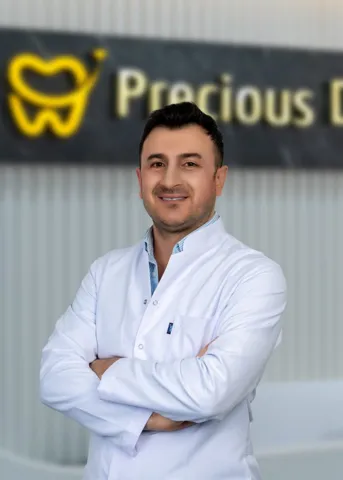 Medically reviewed by Dt. Hüseyin Yavuz Özbek, implant surgeon · Updated October 2026
If you are helping a parent pay for All-on-6, agree the true total first, including travel and a reserve, then decide who pays which part and how. Card protection belongs to the cardholder, so the person who pays by credit card is the one who could claim under Section 75. Keep receipts in the patient's name, and make sure the treatment decision is theirs.
It often starts with a conversation about a parent who has stopped smiling in photos, struggles with a loose denture or avoids eating out. The family wants to help, and All-on-6 comes up. Helping with the cost is generous and often makes treatment possible. It also raises practical questions about money, paperwork and decisions that are easier to settle before anyone books a flight.
Key points
- Agree the true total before anyone commits money.
- Write down who pays which part, and how.
- Card protection belongs to the cardholder, so choose whose card pays the clinic with care.
- Keep the plan, consent, guarantee and records in the patient’s name.
- The decision must be the patient’s, made with full information and without pressure.
Start with the true total
Agree the full figure before anyone commits money. That means the treatment price for the jaws needed, any extras the scan might add, flights for two trips for your parent and anyone travelling with them, insurance, meals, a reserve, and the first year of check-ups at home. The calculator and the budget template help. At Precious Dental, for example, All-on-6 for both jaws is £6,500 including extractions, hotel and transfers, but the true total will be higher once travel and a reserve are added.
Decide who pays what
Families split the cost in different ways: one person pays everything, several siblings share it, or the family pays part and the parent pays the rest. Whatever you choose, write it down: who pays the treatment, who pays the flights, who pays if a reserve is used. It avoids awkwardness later, especially between siblings.
| Part | Paid by | How |
|---|---|---|
| Treatment, first trip | ||
| Treatment, second trip | ||
| Flights, both trips | ||
| Companion's costs | ||
| Reserve | ||
| UK aftercare |
Card protection belongs to the cardholder
If a payment is made by credit card directly to the clinic, Section 75 of the Consumer Credit Act may give the cardholder a claim against the card provider if things go wrong, for items between £100 and £30,000, according to Citizens Advice. The protection belongs to the person whose card was used; with a joint card, the main cardholder makes any claim. So if you pay with your card, you would be the one to claim. Decide whose card pays the treatment with that in mind, and keep the card statement. See Section 75 and All-on-6.
Paperwork in the patient's name
Whoever pays, the treatment is your parent's. The written plan, the consent form, the guarantee, the implant passport and the records should all be in their name. Receipts should show the patient's name and the treatment. If you are paying, ask the clinic to show both the patient's name and the payer's details on receipts, so it is clear who paid.
Talking to the clinic
Many families handle the enquiries, especially if a parent is less comfortable with email or WhatsApp. That is fine, with your parent's agreement. The clinic may ask your parent to confirm they are happy for you to speak on their behalf before sharing their information. It is a good sign when it does.
The decision is the patient's
The NHS explains that consent to treatment must be given by the person being treated, voluntarily and with enough information to decide. Paying for treatment does not change that. Make sure your parent:
- Understands what All-on-6 involves, including the surgery and two trips.
- Has heard the alternatives, including keeping teeth or improving a denture.
- Knows the risks and the care needed for life.
- Has had the chance to ask the dentist questions directly.
- Has had time to decide, without pressure.
The NHS treatment abroad checklist and the Oral Health Foundation both suggest speaking to a UK dentist first. Going with your parent to that appointment is a good way to help.
Travelling with your parent
If you go with your parent, your own flights, room supplement and meals are part of the budget. The first trip, when surgery happens, is where a companion helps most. See companion costs.
After treatment
Check-ups and cleaning continue for life. Decide whether the family will help with those too, and with an eventual replacement set of teeth many years from now. If your parent receives Pension Credit Guarantee Credit, NHS dental treatment in England is free, which reduces ongoing costs. See help with NHS costs and budgeting for a replacement bridge.
Gifts and tax
Paying for a family member's treatment is usually a gift. In some circumstances, particularly with large sums, gifts can have tax implications. We are a dental clinic and cannot advise on this; if the amount is large or your situation is complicated, take advice from an independent adviser.
Questions to settle as a family
- What is the true total, and are we all agreed on it?
- Who pays which part, and how?
- Whose card pays the clinic, given card protection belongs to the cardholder?
- Who travels with our parent, and who pays their costs?
- Who keeps the paperwork?
- Has our parent had time and information to decide for themselves?
When the family disagrees
Sometimes siblings or partners disagree about whether treatment abroad is a good idea, or about how much to spend. Disagreements are easier to resolve with facts on the table. Share the written plan and price, the clinic's guarantee terms and the budget template with everyone involved. Suggest that whoever has doubts comes to the UK dentist appointment, or joins a video call with the clinic. Concerns about safety, the clinic or the travel are reasonable and deserve real answers.
What should not happen is the family deciding on the parent's behalf. If your parent is unsure, give them time. If they have decided and the family is uneasy, focus on making the plan as safe and well-documented as possible.
If your parent needs extra help to decide
Some parents find it hard to take in a lot of information at once, or are anxious about dental treatment. Practical things help: writing the questions down before a call with the clinic, asking for the plan in plain English, reading it together, and asking the dentist to explain anything unclear. The NHS says that for consent to be valid, the person must have enough information to make a decision and must not be pressured. If there is any doubt about a parent's ability to make the decision, talk to their GP before going further.
Keeping it simple
The simplest arrangements tend to work best: one person pays the clinic, others contribute to that person, and one person keeps the paperwork. Complicated splits across several cards and accounts make receipts and any future claim harder to manage.
It also helps to agree in advance what happens if the reserve is needed, or if the plan changes after the scan. A short conversation before the trip avoids a difficult one during it.
The bottom line
Helping a parent pay for All-on-6 is easiest when the true total is agreed first, the split is written down, the card used is chosen with protection in mind, and the paperwork is in the patient's name. Above all, make sure the decision is theirs, made with full information and without pressure. For the money side from your parent's point of view, see planning All-on-6 on a pension.
Common questions
Who should the treatment plan be in the name of?
The patient. The plan, consent, guarantee and records belong to the person being treated, whoever pays.
If I pay with my credit card, who has Section 75 protection?
The cardholder. Citizens Advice notes that with a joint card, the main cardholder makes the claim. Decide in advance whose card pays.
Can I talk to the clinic on my parent's behalf?
With your parent's permission, yes. The clinic may ask your parent to confirm they agree before sharing details with you.
Is giving money for treatment a tax issue?
Gifts can have tax implications in some circumstances. For anything large, take advice from an independent adviser.
Sources
- Citizens Advice — Getting your money back if you paid by card or PayPal
- NHS — Consent to treatment
- NHS — Treatment abroad checklist
- Oral Health Foundation — Going abroad for dental treatment
Checked October 2026. Where we give our own view as a clinic, we say so.
Got a quote you're not sure about?
Send it to us. We'll tell you, in plain English, what it includes and what it leaves out, even if you don't choose us.