Paying for All-on-6 safely
How you pay can matter as much as how much you pay. Here's what to ask before you hand over a deposit.
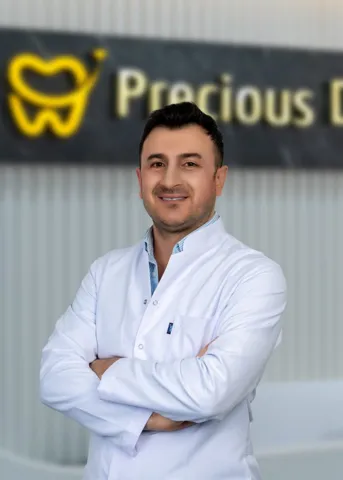 Medically reviewed by Dt. Hüseyin Yavuz Özbek, implant surgeon · Updated October 2026
Before paying, get the full treatment plan and price in writing, find out how much of the deposit is refundable and when, and pay for each stage as it happens rather than everything up front. Paying a UK credit card directly to the clinic may give extra protection under Section 75 for amounts between £100 and £30,000; paying through an agent may not.
Before you pay a deposit
- Get the plan and price in writing, with everything on the quote checklist.
- Ask about the deposit: how much, what it secures, how much is refundable and until when.
- Ask what happens if the scan changes the plan, for example if you need a graft, or turn out not to be suitable.
- Know who you're paying: the clinic itself, or an agent who books the clinic.
- Ask about the complaints process and what happens if you're unhappy with the result.
Paying in stages
All-on-6 usually happens over two trips. Paying for each stage when it's done means you're never far ahead of the treatment you've received. Ask the clinic for a payment schedule tied to the stages: implants and temporary teeth on the first trip, the final bridge on the second.
Card protection
Citizens Advice explains that if you pay by credit card for something costing more than £100 and no more than £30,000, you may be able to claim from your card provider under Section 75 of the Consumer Credit Act if things go wrong. It usually doesn't apply if you paid through a third party rather than directly to the trader. With a debit card, you can ask your bank about a chargeback. Check with your card provider how this applies to treatment abroad before you pay.
Exchange rates
If the price is in euros or lira, the amount in pounds can change between booking and paying. The NHS advises factoring in fluctuating exchange rates. Ask whether you can pay in pounds, and check your card's foreign transaction fees.
Be wary of pressure to pay the full amount quickly, "today only" prices, or a request to pay into a personal bank account. The NHS lists a hard sell and pressure to decide quickly as warning signs.
Common questions
Should I pay the whole amount before I travel?
We'd advise against it. A deposit to book is normal, but ask for the rest to be paid as each stage is done, after you've met the dentist and seen the plan.
Is my deposit refundable?
It depends on the clinic's terms. Ask, in writing, how much is refundable, until when, and what happens if the scan shows treatment isn't suitable for you.
Does Section 75 apply to dental treatment abroad?
Citizens Advice explains that Section 75 can apply when you pay by credit card for something costing more than £100 and no more than £30,000, and you buy directly from the trader. It usually doesn't apply if you paid through a third party. Check with your card provider before you pay.
Do you offer finance?
We don't offer finance on this site. If anyone offers you credit to pay for treatment, read the terms carefully and check the total you'll repay.
Sources
- Citizens Advice — Getting your money back if you paid by card or PayPal (Section 75, chargeback)
- NHS — Treatment abroad checklist (exchange rates, warning signs)
- Oral Health Foundation — Going abroad for dental treatment (complaints process, what happens if you're unhappy)
Checked October 2026. Where we give our own view as a clinic, we say so.
Got a quote you're not sure about?
Send it to us. We'll tell you, in plain English, what it includes and what it leaves out, even if you don't choose us.