UK dental finance vs paying abroad for All-on-6
Many UK practices offer finance to spread the cost of implants. Comparing that with paying a lower price abroad means comparing totals, not monthly figures.
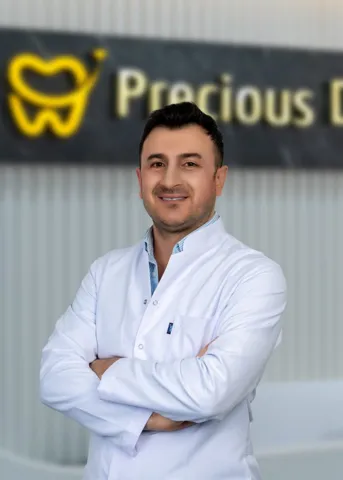 Medically reviewed by Dt. Hüseyin Yavuz Özbek, implant surgeon · Updated October 2026
To compare UK dental finance with treatment abroad, compare the total amount you would pay in each case. For UK finance, that is the fee plus any interest and charges. For treatment abroad, it is the clinic price plus flights, extras, a reserve and UK aftercare. A low monthly payment can hide a high total; an interest-free plan on a UK fee can still cost more than paying abroad.
The Oral Health Foundation makes a fair point in its guidance on dental tourism: treatment at home may be more affordable than it first appears, especially where payment plans are available, fewer trips are needed or follow-up care is included. Many UK implant practices do offer finance. So the honest question is not "UK or Turkey?" but "what would each actually cost me, and what would I get?" This article shows how to answer it. It is a method, not financial advice.
Key points
- Compare the total amount you would pay, not the monthly figure.
- For UK finance, add any interest and fees to the treatment fee and the items it leaves out.
- For treatment abroad, add travel, extras, a reserve and UK aftercare to the clinic price.
- An interest-free UK plan spreads the cost but does not reduce it.
- Weigh what each option gives you besides price, such as care near home.
Compare totals, not monthly payments
Finance is usually presented as a monthly figure, which makes a large fee feel manageable. But the monthly figure tells you nothing on its own. What matters is the total amount you will repay, and whether that total is more or less than the alternative. Always ask for:
- The treatment fee.
- The interest rate, and whether it is fixed.
- Any arrangement or set-up fee.
- The number of payments and the amount of each.
- The total amount repayable.
- What happens if you miss a payment or want to repay early.
Building the UK side
Start with a written UK quote for the treatment you need, both jaws if that is your case. The 2017 survey average of £13,425 per jaw gives a rough idea, but fees have likely risen and vary widely, so use your own quote. Add anything the quote leaves out: consultation, scans, extractions, grafts. Then add the finance cost: the total repayable minus the fee. That is your UK total.
The UK total usually needs no travel, and follow-up appointments may be included for a period. Ask the practice what is included after treatment.
Building the overseas side
Start with a written quote from abroad, both jaws, with what it includes. Add flights for two trips for each traveller, airport costs, insurance, meals, any extras the scan might add, a reserve for the unexpected, and your first year of UK check-ups. If you would borrow for this too, add the interest cost. That is your overseas total. The calculator does most of this for you.
A worked example
These figures are illustrations to show the method. Your quotes, finance terms and travel costs will differ.
| UK with finance | Abroad, paid from savings | |
|---|---|---|
| Treatment, both jaws | £26,000 (written quote) | £6,500 (Precious Dental, incl. hotel, transfers, extractions) |
| Items not in the quote | £1,000 (scan, extractions) | £0 |
| Finance cost | £0 on an interest-free plan; or several thousand on an interest-bearing one | £0 |
| Travel, two trips | £0 | £650 (flights, parking, insurance, meals) |
| Reserve for an extra trip | £0 | £300 |
| First-year check-ups | Ask the practice | £150 |
| Total | about £27,000+ | about £7,600 |
In this example, even an interest-free UK plan costs far more in total. With different quotes the gap could be smaller; some UK practices charge much less than the survey average, and some overseas packages include far less. The point is to put both sides on the same footing.
What each option gives you besides price
| UK treatment | Treatment abroad | |
|---|---|---|
| Appointments | Near home, spread over time | Two concentrated trips |
| If something goes wrong | Local dentist, UK complaints routes | Clinic's guarantee; possibly another trip |
| Regulation | General Dental Council | Turkish Ministry of Health and Turkish Dental Association |
| Paying | Finance often available | Usually in stages; card or transfer |
| Time | Many short appointments | Fewer, longer absences |
The General Dental Council notes that it cannot guarantee other countries have a regulator like itself or the same standards. Weigh that alongside the money.
Borrowing for treatment abroad
If you would need to borrow either way, compare the interest on each. A smaller amount borrowed for treatment abroad costs less interest than a larger amount for UK treatment. If you use a credit card to pay the clinic directly, Citizens Advice explains that Section 75 may apply to purchases between £100 and £30,000. That is a protection worth having, but not a reason to borrow more than you need. See Section 75 and All-on-6.
When UK treatment may be the better choice
- You cannot travel easily, or have health conditions that make travel risky.
- A UK practice you trust quotes a fee close to the overseas total.
- Interest-free finance lets you pay without touching savings you need.
- You value being able to walk into your dentist's surgery if something feels wrong.
When treatment abroad may be the better choice
- The difference in totals is large, even after travel and a reserve.
- You would otherwise need to borrow a large sum with interest.
- The clinic is well-documented: named dentist, written guarantee, published prices, public reviews.
- You have a UK dentist lined up for aftercare.
Questions to ask a UK practice about finance
- What is the total amount repayable?
- Is the plan interest-free for its whole term?
- Are there any fees for setting up, missing a payment or repaying early?
- Who provides the finance, and is it regulated?
- What does the treatment fee include, and what is extra?
Reading a finance offer carefully
A finance offer for dental treatment will usually show a monthly payment, a number of months, an interest rate and a total amount repayable. Read them in that order, then reverse it: start with the total amount repayable, compare it with the treatment fee, and only then look at the monthly figure. Ask what happens if you miss a payment, whether there is a fee to repay early, and whether an interest-free offer becomes interest-bearing after a set period. If anything is unclear, ask before you sign, not after.
Make sure the finance is with a regulated lender, and that you understand whether you are borrowing from the practice, a finance company or a credit card. The answer affects who you would deal with if something went wrong.
A middle way
Some people do part of their treatment in the UK and part abroad, for example extractions or gum treatment at home and implants abroad, or the other way round. That can make sense clinically in some cases, but it adds complexity: two dentists, two sets of records, and less clarity about who is responsible for the overall result. If you consider it, ask both dentists how they would coordinate, and who would take responsibility if the plan needed to change.
Ask both sides the same questions
Whichever way you lean, ask the UK practice and the clinic abroad the same questions: who will treat me, which implant brand, what is the final bridge made of, what is included, what does the guarantee cover, and what happens if something goes wrong. Comparing answers to the same questions is the fairest way to choose.
The bottom line
Finance makes a UK fee affordable month by month; it does not make it cheaper. Compare the total repayable for UK treatment with the true total for treatment abroad, then weigh what each gives you besides price. For many people the overseas total is much lower even after travel; for some, the value of treatment near home is worth the difference. Either is a reasonable choice if it is made with full numbers. For a UK benchmark, see All-on-6 cost in the UK.
Common questions
Is 0% dental finance really free?
If it is genuinely interest-free and you keep to the terms, you repay only the fee. Check for set-up fees, what happens if you miss a payment, and whether interest applies after a promotional period.
Can I get finance for treatment abroad?
Some people use a credit card or a personal loan. Paying the clinic directly by credit card may also bring Section 75 protection. Compare the interest cost with the saving.
What does UK treatment give me that abroad does not?
Appointments near home, a dentist regulated by the General Dental Council, and easier follow-up if something goes wrong.
Is this financial advice?
No. It explains how to compare options. For advice on borrowing, speak to an independent adviser or a free service such as Citizens Advice.
Sources
- Dentistry.co.uk (2017) — If the price is right
- Oral Health Foundation — Going abroad for dental treatment (payment plans at home)
- Citizens Advice — Getting your money back if you paid by card or PayPal
- General Dental Council — Going abroad for dental treatment
- NHS — Treatment abroad checklist
Checked October 2026. Where we give our own view as a clinic, we say so.
Got a quote you're not sure about?
Send it to us. We'll tell you, in plain English, what it includes and what it leaves out, even if you don't choose us.