Costs between your two All-on-6 trips
Between implant surgery and the final teeth there are about four months at home. They are mostly cheap, but not free, and a little planning keeps them that way.
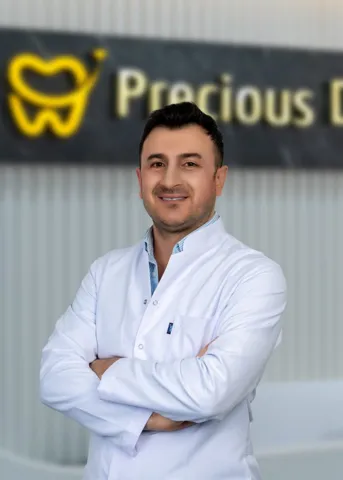 Medically reviewed by Dt. Hüseyin Yavuz Özbek, implant surgeon · Updated October 2026
Between the two All-on-6 trips, the implants heal for around four months while you wear temporary teeth. Costs in that time are usually small: soft food at first, cleaning aids, perhaps a check-up with your UK dentist, and booking the second trip's flights. Ask the clinic before you leave what to do, and who pays, if the temporary teeth need adjusting.
When you fly home after the first All-on-6 trip, you have six new implants in each treated jaw and a fixed set of temporary teeth. The implants now need time to bond with the bone before the final teeth can be fitted. The Oral Health Foundation says that healing usually takes around four months. For most people those months are quiet and cheap. Knowing what can come up, and agreeing in advance how it will be handled, keeps them that way.
Key points
- The implants heal for around four months between trips while you wear temporary teeth.
- Costs are usually small: soft food, cleaning aids, perhaps a UK check-up.
- The biggest cost of the period is usually the second trip’s flights.
- Treat temporary teeth gently; a broken temporary is the most common avoidable cost.
- Agree before you leave the clinic what to do if the temporary teeth need attention.
What happens in the healing months
| Period | What to expect | Possible costs |
|---|---|---|
| First 1–2 weeks | Swelling settles; soft food; careful cleaning | Soft food, painkillers, mouthwash |
| Weeks 2–8 | Getting used to temporary teeth; gradually more normal eating | Cleaning aids; perhaps a check-up |
| Months 2–4 | Normal life, avoiding very hard foods on the temporaries | Booking second-trip flights |
Food
For the first days and weeks you will eat soft food: soups, eggs, fish, mashed vegetables, yoghurt, pasta. Most of it is cheap and you may spend less on food than usual. The clinic will tell you when you can move towards more normal eating, and which foods to avoid on temporary teeth, which are usually acrylic and not designed for very hard foods. A broken temporary tooth from biting something hard is the most common avoidable cost of this period.
Medicines and pharmacy items
Many packages, including Precious Dental's, include the medication prescribed after surgery. You may still want over-the-counter painkillers, mouthwash or saline rinses at home. If you need a prescription in England, the charge is £9.90 per item unless you qualify for free prescriptions. See prescription and pharmacy costs.
Cleaning
Keeping the area around the implants clean matters from the first day. The clinic will tell you how. You may need a soft toothbrush, interdental brushes in suitable sizes, and perhaps a water flosser. These are small one-off costs, and they are the same tools you will use for life.
A UK check-up
Seeing your UK dentist during the healing months is not essential for everyone, but it can be reassuring, and it introduces them to your implants before the final teeth go in. Take your treatment summary, X-rays and implant details. In England an NHS check-up is Band 1, currently £27.90. Tell the dentist you have healing implants with temporary teeth fitted abroad, and that the final bridge will be made by the clinic.
If the temporary teeth need attention
Temporary bridges can occasionally loosen, crack or rub. What happens next, and who pays, depends on the clinic. Ask before you leave the first trip:
- Who should I contact if the temporary teeth feel loose or crack?
- Can a UK dentist safely adjust or repair them, and will you send them what they need?
- If a repair is needed, who pays, and is it covered by the guarantee?
- If I need to come back early, who pays the travel?
Write the answers down. Most people never need them. If you are one of the few who do, you will be glad to know.
Warning signs to act on
Some discomfort and swelling in the first days is normal. If you have increasing pain, swelling that gets worse after the first days, a fever, a bad taste or discharge, or an implant that feels loose, contact the clinic straight away and see a dentist or doctor at home, or call NHS 111. Early attention is better for your health and usually cheaper. The NHS treatment abroad checklist advises understanding possible complications and aftercare before you go.
The second trip
The biggest cost of this period is usually booking the second trip. Once the clinic confirms your date, book flights early, ideally with a flexible return in case the final fitting needs an extra day. If someone is travelling with you, book their flights too. Check whether your travel insurance covers the second trip or whether you need a new policy.
Paying
If your clinic takes payment in stages, there is usually nothing to pay it during the healing months. Make sure you know how much is due on the second trip and when, so the money is ready. See paying across two trips.
A simple budget for the healing months
| Item | Example |
|---|---|
| Soft food extras | £30 |
| Pharmacy items | £20 |
| Cleaning aids | £40 |
| One UK check-up (NHS England) | £27.90 |
| Second-trip flights | Your fares |
Illustrative figures, except the NHS charge.
Living with temporary teeth
Temporary teeth are fixed, so you cannot take them out, and for most people they look natural enough for work and social life. They are not as strong as the final bridge. Treating them gently is the single best way to keep this period cost-free.
- Cut food into small pieces and chew evenly on both sides.
- Avoid biting into hard foods such as apples, crusty bread or nuts with the front teeth.
- Avoid very sticky foods such as toffee.
- Clean carefully around the temporary bridge as the clinic shows you.
- If you grind your teeth at night, mention it to the clinic before you leave.
Keeping in touch with the clinic
Most clinics that treat UK patients stay in contact during the healing months, often by WhatsApp. It costs nothing and is the quickest way to get advice if something feels wrong. Save the clinic's number, send a photo if anything changes, and ask before you do anything about it. At Precious Dental you can message +44 7575 589099 on WhatsApp.
Planning the second trip well
The second trip is where the final teeth are made and fitted, so it involves several appointments over a few days. Precious Dental's package includes 5 hotel nights for it. Book flights that give you a full day at each end, and avoid booking the return for the evening of what you think is the last appointment; final adjustments sometimes need one more visit. A flexible fare costs a little more and can save a lot.
If you need to delay the second trip
Life sometimes gets in the way. If you cannot travel on the planned date, tell the clinic as early as possible. Ask how long the temporary teeth can safely stay in, whether a delay affects the guarantee, and whether it changes anything you have to pay. Changing flights early is usually cheaper than changing them late.
Most people find the healing months pass quickly. Keeping a simple note of any questions as they arise, and sending them to the clinic in one message, is easier for everyone than many small messages.
The bottom line
The months between All-on-6 trips cost little: soft food, cleaning aids, perhaps a check-up, and the second flights. Agree before you leave the clinic what to do if the temporary teeth need attention, look after them by avoiding hard foods, and book the second trip early. Then the healing months are what they should be: a quiet wait for your final teeth. For the trip budget as a whole, see travel costs.
Common questions
How long is the gap between trips?
Usually around four months, which is how long the Oral Health Foundation says implant healing usually takes. Your clinic will set the date for your case.
Can I eat normally between trips?
You start on soft food and gradually return to more normal eating, avoiding very hard or sticky foods on the temporary teeth. Follow the clinic's instructions.
What if a temporary tooth breaks?
Contact the clinic first. It may be able to advise, arrange a local repair or deal with it on the second trip. Ask in advance who pays.
Should I see my UK dentist in this period?
It can be helpful, especially if you have concerns. Tell them you have healing implants and temporary teeth, and take your treatment notes.
Sources
- Oral Health Foundation — Dental implants (healing around four months)
- NHS — How much NHS dental treatment costs
- NHS — Treatment abroad checklist (aftercare)
- NHS — Prescription charges
Checked October 2026. Where we give our own view as a clinic, we say so.
Got a quote you're not sure about?
Send it to us. We'll tell you, in plain English, what it includes and what it leaves out, even if you don't choose us.