All-on-6 cost per year
A large price looks different when spread across the years it serves you. Done honestly, cost per year is a useful way to compare options; done carelessly, it is a sales trick.
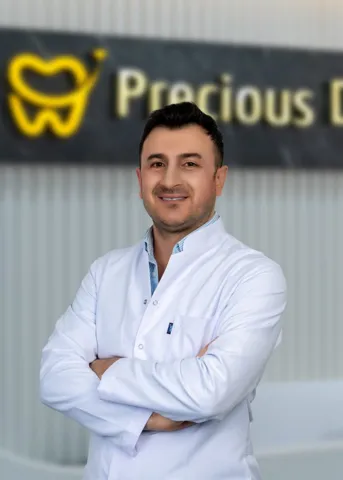 Medically reviewed by Dt. Hüseyin Yavuz Özbek, implant surgeon · Updated October 2026
To work out All-on-6 cost per year, add the true total of treatment, travel and extras, plus expected upkeep and an eventual replacement set of teeth, then divide by the number of years you assume. Use cautious assumptions, because nobody can promise how long a bridge lasts. Cost per year helps compare materials and quotes; it does not replace comparing what each includes.
"It works out at less than a pound a day." You may have seen claims like that. The idea behind them, spreading a large cost across the years you benefit from it, is sound and useful. The problem is the assumptions: if you assume the treatment lasts forever and needs nothing, every option looks cheap. This article shows how to do the calculation honestly, so it helps you decide rather than persuades you.
Key points
- Add the true total, yearly upkeep and one replacement set of teeth, then divide by the years.
- Use cautious assumptions; no one can promise how long a bridge lasts.
- In our 20-year example the cost is about £760 a year, not the £325 the package alone suggests.
- Cost per year is most useful for comparing materials with different upkeep.
- Be wary of per-day figures that leave out travel, upkeep and replacements.
The calculation
- Start with the true total: treatment, extras, travel and a reserve. Our calculator gives you this.
- Add yearly upkeep for the period: check-ups, hygiene visits, cleaning aids.
- Add one replacement set of teeth if your period is long, because the teeth on top can wear out even when the implants do not.
- Divide by the number of years.
The answer is the cost of having and keeping fixed teeth, per year. Change the assumptions and you can see how sensitive it is.
Choosing honest assumptions
| Assumption | Cautious choice | Why |
|---|---|---|
| Years | 15 or 20 | Long enough to include upkeep and wear; short enough to be realistic |
| Upkeep | Two check-ups a year plus hygiene | Implants need regular professional care |
| Replacement teeth | One set within the period | Teeth on the bridge wear, chip or need renewing |
| Problems | Some small repairs | Screws loosen, teeth chip |
Research summarised by the British Society of Periodontology found inflammation around implants in about 12% of patients at five years and 22% at twenty. Building upkeep into your sums is not pessimism; it is what keeps those numbers low for you.
A worked example over 20 years
Using Precious Dental's £6,500 both-jaws package and illustrative figures for everything else:
| Item | Amount |
|---|---|
| True total of treatment and travel (one person, no extras) | £7,500 |
| Upkeep: £150 a year × 20 | £3,000 |
| One replacement set of zirconia teeth (today's price £3,600, plus a trip) | £4,200 |
| Small repairs over 20 years | £500 |
| Total over 20 years | £15,200 |
| Per year | £760 |
Illustrative assumptions, at today's prices, with no inflation. Your own figures will differ.
That is a more honest figure than dividing the package price alone by twenty years, which would give £325 a year and leave out more than half the real cost.
Comparing materials
Cost per year is most useful when two options have different upkeep. Acrylic teeth usually cost less up front but may need repair or replacement sooner; zirconia usually costs more up front but resists wear. If an acrylic option needs a replacement set twice in twenty years and zirconia once, the cost per year may come out close, or even favour zirconia, despite the higher starting price. Our page on zirconia vs acrylic explains the differences.
Comparing with dentures
People sometimes compare All-on-6 per year with dentures per year. That comparison is the subject of whole websites, and it depends heavily on how well dentures suit you. Our sister site Dentures or implants covers it in detail. Here, we only note that the same honesty applies: include relines, replacements and adhesive for dentures, and check-ups and replacement teeth for implants.
Comparing quotes
If two quotes differ in what they include, cost per year will not fix that; you need to put them on the same basis first. But if two quotes are similar in price and inclusions and differ in material, implant brand or guarantee, cost per year can help. A longer guarantee, for example, reduces the expected cost of repairs in the early years. Precious Dental's guarantee covers implants with their abutments for life and crowns and bridges for five years, on the conditions on its guarantee page.
What it does not tell you
- Quality of the work, which a number cannot show.
- What happens if something goes wrong early, which depends on the clinic and guarantee.
- The value to you of eating, speaking and smiling comfortably, which is the reason for the treatment.
Spotting a misleading per-day figure
If someone quotes you a cost per day or per year, ask what it includes. If the answer is "just the treatment", the figure leaves out travel, upkeep and replacement teeth. If it assumes thirty or forty years with nothing else spent, it is a sales line. A useful figure states its assumptions.
Running the numbers for shorter and longer periods
The number of years you choose changes the answer a lot. Here is the same example worked over three periods, keeping the same assumptions about upkeep and including a replacement set of teeth only where the period is long enough for it to be likely.
| Period | Total cost | Per year |
|---|---|---|
| 10 years (no replacement teeth) | £7,500 + £1,500 upkeep + £250 repairs = £9,250 | £925 |
| 15 years (one replacement set) | £7,500 + £2,250 + £4,200 + £375 = £14,325 | £955 |
| 20 years (one replacement set) | £7,500 + £3,000 + £4,200 + £500 = £15,200 | £760 |
Illustrative assumptions at today's prices. Whether and when replacement teeth are needed varies from person to person.
The figure per year does not fall steadily, because the replacement teeth arrive as a lump. That is realistic: costs over a lifetime come in steps, not a smooth line. It is also why setting a little aside each year, as in budgeting for a replacement bridge, makes the steps easier.
What makes your cost per year lower
- Good daily cleaning and regular check-ups. They protect the implants, which are the expensive part to replace.
- A night guard if you grind. It protects the teeth on the bridge.
- A clear guarantee. Repairs covered in the early years cost you nothing.
- Implant brands a UK dentist can service. Repairs nearby cost less than repairs that need a trip.
- Help with NHS costs, if you qualify. Free check-ups lower the yearly upkeep line.
Doing it for a UK quote
The same calculation works for UK treatment. Start with the UK fee plus anything it leaves out and any finance cost, add the same upkeep and replacement assumptions, and divide by the same number of years. Using the same assumptions on both sides is what makes the comparison fair.
Whatever period you choose, write the assumptions next to the answer: the years, the upkeep per year, whether a replacement set is included and at what price. A cost per year without its assumptions is just a number; with them, it is something you can check, change and compare.
The bottom line
Cost per year is a fair way to think about a long-lasting treatment, as long as you include the true total, yearly upkeep and one replacement set of teeth, and use a cautious number of years. In our example it comes to about £760 a year over twenty years. Do your own version with your own quotes, and use it alongside, not instead of, the quote checklist.
Common questions
How long does All-on-6 last?
The implants are designed to last for life if looked after; the teeth on top may need replacing after many years. No one can promise a fixed number of years, so use cautious assumptions.
Is cost per year a good way to compare quotes?
It is useful for comparing options with different upkeep, such as zirconia and acrylic. It should not replace checking what each quote includes.
Should I include check-ups?
Yes. Check-ups and cleaning are part of the cost of keeping the treatment, and they continue every year.
What assumptions should I avoid?
Avoid assuming everything lasts forever with no upkeep. That makes any option look cheap per year.
Sources
- NHS — How much NHS dental treatment costs
- British Society of Periodontology — Peri-implant disease review
- Precious Dental — All-on-4 and All-on-6
- Precious Dental — Guarantee
Checked October 2026. Where we give our own view as a clinic, we say so.
Got a quote you're not sure about?
Send it to us. We'll tell you, in plain English, what it includes and what it leaves out, even if you don't choose us.